about
john
about
john
a legacy of chicago builders & Protectors
My Chicago roots were planted nearly 100 years ago when my great grandfather, John Hayes III, opened the Hayes Hotel in the Woodlawn neighborhood. Located at the corner of 64th Street and University Avenue, the hotel represented the heart of the thriving hospitality scene on the city’s south side at the time. As president of the Woodlawn Businessmen’s Association in the 1930s, my great grandfather brought together business and civic groups to create a vibrant community along the lakefront just as Chicago started to establish itself as a world class city.

Developing and protecting this city is in my blood. My late grandfather, Thomas V. Kelly, was a Chicago Police sergeant. One late uncle also served on the CPD force and another late uncle was a Cook County Sheriff’s deputy. I have several cousins who have worked in law enforcement, including one who is currently a detective with the Chicago Police Department.
My parents, Jack Kelly and Alice “Kitty” Buckendahl, were born and raised in Chicago; in 1970, they were married at St. Cajetan’s Church in Beverly. Twenty-seven years later, I married my wife, Julie, at that very same church.
My parents owned a currency exchange on the southeast side of the city, serving the financial needs of working class folks in the 10th Ward. They taught my sister, who was a Chicago Public School teacher for 28 years, and me the value of money and hard work. My parents sacrificed so much to send me to Mt. Carmel High School, where I played on four state championship football teams in the 1990s.
Julie and I live in Chicago and we have two adult daughters, one in Miami and one here in the city; they love Chicago as much as we do.
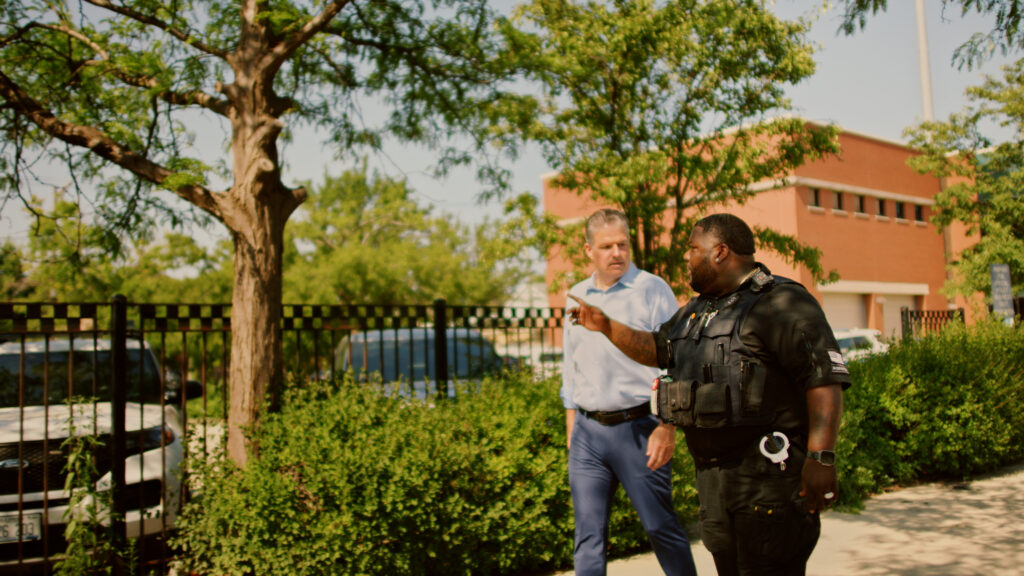
My career in politics stretches back more than 30 years. After graduating from Illinois Wesleyan University in 1995 with a degree in political science, I went to work for the Illinois Attorney General’s office. In 1998, James Houlihan asked me to run his campaign for Cook County assessor. Following his victory, I teamed up with Houlihan’s business partner to run All-Circo, based in Chicago, and helped build it into the most effective and respected lobbying firm in Illinois. In 2007, I took full ownership of All-Circo and run it to this day.
I’ve represented many Fortune 100 corporations and more recently, I negotiated the agreement to bring Bally’s Casino to Chicago, resulting in a $2 billion investment in the city, one of the few bright spots in the city’s faltering effort to attract new businesses.
A Diversified Background No Other Candidate Can Claim
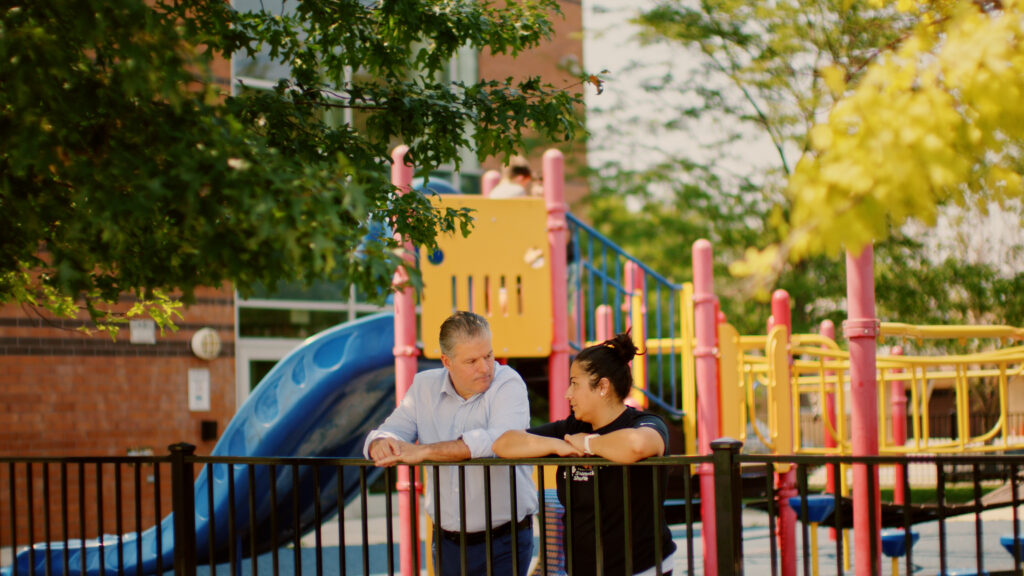
My financial experience includes not just running a small business but having served on the board of directors of Lakeside Bank in Chicago, a community institution whose mission is to serve the people and neighborhoods that bigger banks too often overlook. I understand what it means for a family or a small business owner to have a bank that knows their name.
And when my alma mater, Mt. Carmel High School, launched a $17 million capital campaign to modernize and expand the school, I was tapped to chair the fundraising effort; it was an honor, not an obligation—a chance to give back to the institution that gave me so much and provide opportunities for future generations of young men.
Recently, I co-founded Sentinel Security, a company that provides private security guards to businesses and neighborhoods in the city. Even though I partially own the company, I find it disheartening that Chicagoans need to pay out of their own pocket to combat crime and protect their families and businesses because police don’t have the resources—or the political support—to keep the city safe.
1930's
Where we started
Chicago roots were planted by John’s great grandfather who opened the Hayes Hotel in the Woodlawn neighborhood.

1950's
protecting & serving
Developing and protecting this city is in John’s blood. His late grandfather, Thomas V. Kelly, was a Chicago Police sergeant.
1980's
contributing to local business
John’s parents owned a currency exchange on the southeast side of the city, serving the financial needs of working class folks in the 10th Ward.
TODAY
continue serving chicago
John’s sister was a Chicago Public School teacher for 28 years and John continues to serve the city of Chicago.


Chicago Has All the Tools
Just in the Wrong Hands
This city is not broken — its government is
What is missing is leadership accountable to results rather than to the political structure that put it in office. The needs of Chicagoans, from the biggest employers to the working class bungalow owner to the helpless addict, now take a backseat to infighting and sniping. Small things lead to big things in government, but when political factions dig in their heels, even the most basic expectations of city residents remain unmet.
Chicago’s problems are not because our residents lack talent, grit, or love for their neighborhoods; our problems are failures of leadership, management, and accountability. City Hall has become too political, too chaotic, and too disconnected from the everyday lives of the people who pay for it.
Chicago’s population has been shrinking for nine straight years. Property taxes have doubled in a decade. The pension debt now exceeds the obligations of 44 states. Our schools are spending more than ever and producing less than ever for our kids. Downtown has nearly a one-in-three office vacancy rate.
And random acts of violence—on public transit, in busy business districts, and in quiet neighborhoods once considered the safest in town—put Chicagoans on edge each day.
The people leaving are not leaving because they stopped loving Chicago. They are leaving because the cost of staying has become impossible to justify.
This is not bad luck
This is the result of a governing model that has spent fifteen years protecting a political machine rather than serving the people it was elected to represent. Every other candidate in this race has been part of that model. I have not. And that’s why, as the next mayor, I plan to get Chicago back on track.